

Photo by Helena Lopes | Woman holding a sleeping baby by a window, gazing outside thoughtfully as postpartum hormones level out.
Postpartum hormones level out slowly, not overnight, and that truth surprises many new mothers. After birth, the body enters one of the most dramatic hormonal shifts a human body can experience. Estrogen and progesterone fall sharply within days, while other hormones rise or fluctuate as the body adjusts to recovery, breastfeeding, sleep loss, and emotional changes. It’s a biological reset that unfolds over months, sometimes longer.
So, when do postpartum hormones level out in a realistic sense? The short answer is: it depends. Some women notice improvement in a few months, while others need close to a year to feel hormonally balanced again. Understanding the process helps remove unnecessary worry and replaces it with patience.
Let’s walk through what actually happens.
The Sudden Hormone Drop After Birth
Pregnancy runs on high hormone levels. Estrogen and progesterone increase dramatically while the placenta supports the pregnancy. Once the placenta is delivered, those hormones drop rapidly. In fact, they fall back to pre-pregnancy levels within about three days after delivery.
That steep decline is one reason many women experience emotional swings in the first week after childbirth.
During these early days, postpartum hormones level out very slowly because the body is recalibrating several systems at once. Hormones involved include:
● Estrogen and progesterone
● Prolactin, which stimulates milk production
● Oxytocin, which supports bonding and milk release
● Cortisol, the body’s stress hormone
Each of these has a role in recovery and caregiving. Because they interact with sleep, stress, and nutrition, the timeline rarely follows a neat schedule.
When Do Postpartum Hormones Level Out? A Month-by-Month Look at the Hormone Shift
Doctors often describe a general postpartum hormone timeline, though real life rarely follows a strict calendar.
Weeks 1–2: The Emotional Roller Coaster
In the first two weeks, postpartum hormones level out only slightly. Estrogen and progesterone remain low, which can contribute to mood swings, tearfulness, and fatigue.
This phase often overlaps with the “baby blues,” a temporary emotional period that affects many new mothers. For most people, these feelings fade within two weeks.
Meanwhile, prolactin begins rising if breastfeeding starts. Oxytocin spikes during feeding and skin-to-skin contact, which helps bonding and milk flow.
Weeks 3–6: Early Stabilization
By the end of the first month, postpartum hormones level out a bit more as the body adjusts to life after pregnancy.
The uterus shrinks back to its usual size during this time, and physical recovery continues. Healthcare providers often refer to this as part of the postpartum recovery stages, which include immediate recovery, gradual healing, and longer-term adjustment.
Mood and energy may begin to stabilize, though sleep deprivation can still complicate things.
Months 2–3: Hormonal Rhythm Begins Returning
Around the second or third month, many women notice their emotions and physical symptoms becoming more predictable. That’s because postpartum hormones level out gradually as the ovaries begin to regain their normal hormone-producing role.
However, breastfeeding changes the equation. High prolactin levels can suppress ovulation, which keeps estrogen levels lower for longer.
Some women resume their menstrual cycle during this time, especially if they are not breastfeeding. Others may go months without a period.
Months 3–6: A Turning Point for Many Mothers
Medical sources commonly note that postpartum hormones level out significantly between three and six months after birth for many women.
By this point:
● Estrogen and progesterone begin stabilizing
● Thyroid hormones often normalize
● Mood patterns become more consistent
● Physical recovery continues
This period is often when mothers start feeling “more like themselves.” Still, that experience varies widely.
For mothers who breastfeed frequently, prolactin remains elevated, which may delay the full return of regular hormonal cycles.
Why Hormones Don’t Stabilize at the Same Speed
If postpartum hormones level out on different schedules, there’s a reason. Several factors influence the timeline.
Breastfeeding
Breastfeeding is one of the biggest variables. Prolactin suppresses ovulation, which delays estrogen and progesterone cycling.
Because of that, postpartum hormones level out more slowly for mothers who breastfeed for many months.
Sleep and Stress
Sleep deprivation affects cortisol levels, which interact with reproductive hormones. Chronic stress can slow recovery.
Nutrition and Physical Recovery
Healing after childbirth demands energy and nutrients. Iron levels, hydration, and overall diet can influence how quickly postpartum hormones level out.
Individual Biology
Genetics, thyroid health, and previous pregnancies also shape the recovery timeline. In other words, there is no universal schedule.
A Longer View: Six Months to One Year
Many experts note that postpartum hormones level out most fully within six to twelve months after childbirth.
If breastfeeding continues, hormonal balance may shift again during weaning. Some mothers notice temporary mood swings or physical changes during that transition.
This phase is often called hormone normalization after birth, and it can stretch longer than people expect.
Hair shedding around three to five months postpartum, for example, reflects hormonal adjustments that began much earlier. Hair usually regrows within several months as hormones stabilize.
Signs Hormones Are Starting to Balance
The body rarely announces stability with a clear signal, but several signs suggest postpartum hormones level out gradually.
These include:
● More stable mood and energy
● Regular menstrual cycles returning
● Less night sweating or hot flashes
● Improved sleep patterns
● Decreased hair shedding
Small changes accumulate. One week, you feel slightly steadier; a few weeks later, daily life feels manageable again.
When Hormonal Changes Might Need Attention
While postpartum hormones level out naturally for most women, sometimes the adjustment period brings challenges.
Contact a healthcare provider if symptoms include:
● Persistent sadness or hopelessness
● Severe anxiety or panic
● Extreme fatigue that doesn’t improve
● Irregular bleeding months after delivery
Postpartum depression and thyroid disorders can both mimic normal hormonal symptoms but require medical care.
Reliable guidance on postpartum recovery and emotional health can be found through resources like the Mayo Clinic postpartum care guide, which explains many common physical and emotional changes after childbirth.
A Gentle Reminder: Healing Takes Time
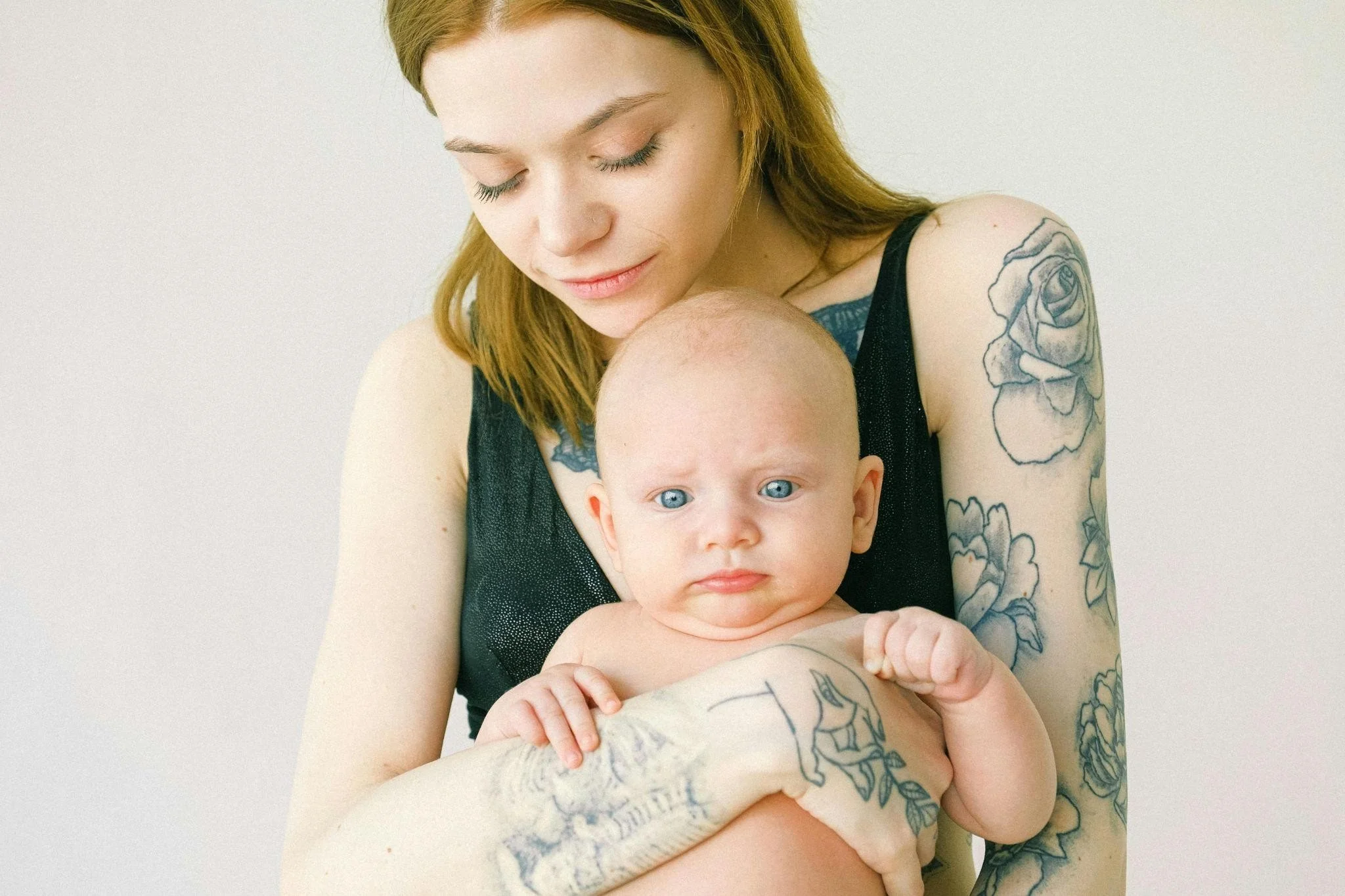
Photo by Anna Shvets | A woman gently cradles a baby and gazes down with a tender expression.
People often say that postpartum hormones will “level out,” as if the body simply resets itself—clean, tidy, predictable. But real healing? It rarely unfolds that neatly.
For many mothers, recovery moves more like the tide. One day, you might feel steady, almost like yourself again. The next can feel unexpectedly heavy. That’s normal. Progress, more often than not, shows up quietly in small, almost invisible steps.
After all, your body carried and brought a whole human life into the world. That kind of extraordinary work doesn’t just settle back into place overnight. It takes time. Space. Patience. And a little gentleness with yourself along the way.
A Story of Hope for Mothers in the Hardest Moments
For some women, the hormonal shift after childbirth intersects with deeper emotional struggles. Postpartum depression can feel isolating, confusing, and overwhelming.
That’s why personal stories matter.
One powerful example is The Birds Still Sing by Grace Tallman. The book tells the honest story of a young mother who descends into postpartum depression and slowly finds her way back to strength and clarity. Her experience reminds readers that darkness does not last forever.
If you or someone you love is navigating the emotional side of postpartum recovery, this memoir offers understanding, encouragement, and a reminder that healing is possible. The journey may be difficult, but resilience often grows in the most unexpected places.
Sometimes the most comforting voice is simply someone who has walked the path before. Grab a copy of The Birds Still Sing today!
