
Mental Health Awareness Week 2026: Why It Matters and How to Get Involved
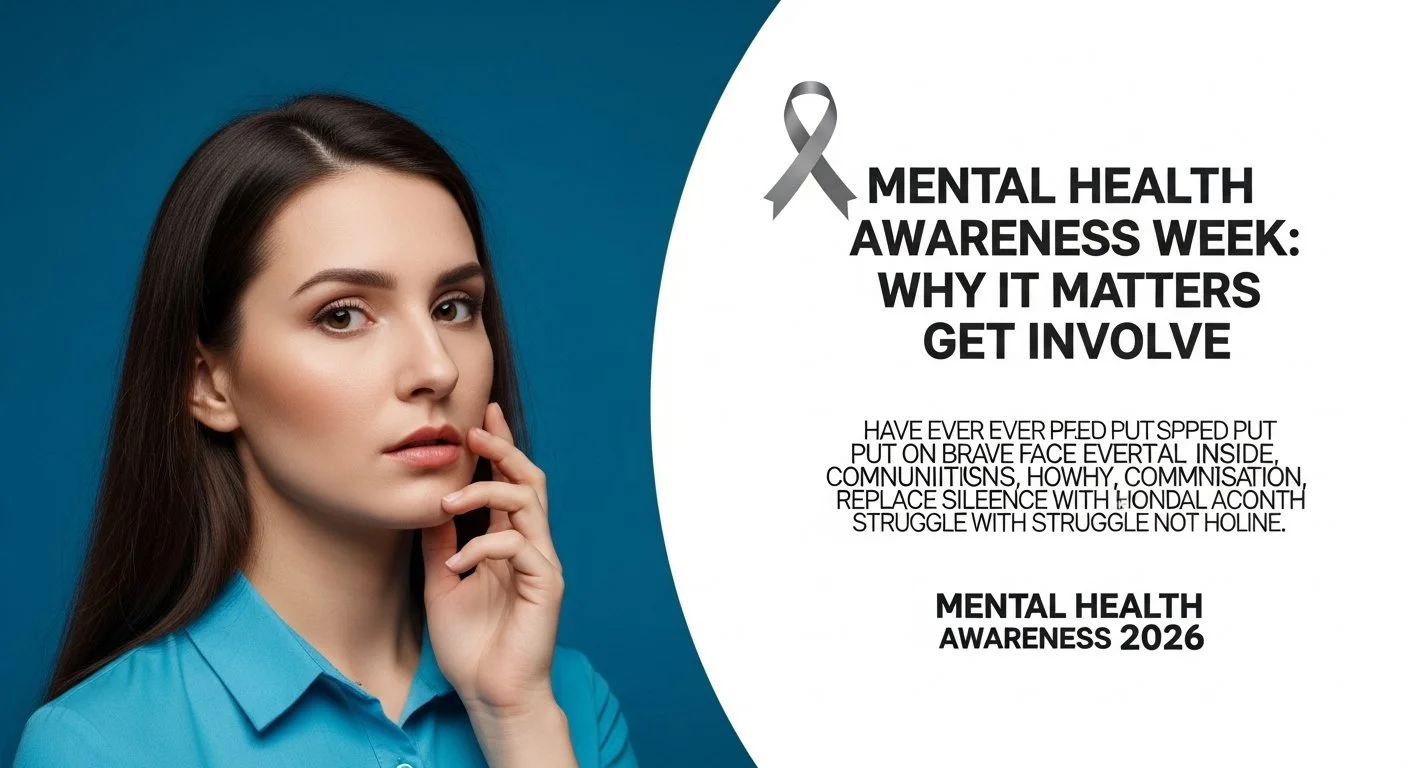
Have you ever felt like you were supposed to put on a brave face, even when you were struggling inside? Maybe you’ve heard the phrase “mental health” but weren’t sure exactly what it meant or how it applied to you. You are not alone.
Every year, Mental Health Awareness Week arrives to change that. It’s a dedicated time when people, communities, and organizations around the world come together to talk openly about mental health. The goal is simple but powerful: to replace silence with conversation, stigma with support, and struggle with hope.
This guide will walk you through everything you need to know about Mental Health Awareness Week 2026. We’ll cover what it is, why it’s so important, how you can participate, and where to find help. Whether you are looking for support for yourself or want to help a loved one, this article is for you.
What is Mental Health Awareness Week?
Mental Health Awareness Week is an annual event aimed at raising awareness about mental health issues, fighting stigma, and promoting the importance of emotional well-being. It’s not just about talking about problems; it’s about highlighting solutions, sharing resources, and letting people know they are not alone.
While the week is observed in different countries at different times, the core message remains the same: mental health is health. Just like we care for our bodies, we must care for our minds. The week serves as a powerful reminder that:
Mental health challenges are common and treatable.
It’s okay to not be okay.
Seeking help is a sign of strength, not weakness.
When is Mental Health Awareness Week 2026?
In many countries, including the UK, it is traditionally held in May. For 2026, the dates are expected to be May 11–17, though it’s always a good idea to check with your local mental health organizations for the exact dates in your region. Regardless of the specific week, the spirit of awareness continues all year long.
Why is Mental Health Awareness So Important?
To understand why this week matters, let’s look at the reality of mental health. The numbers might surprise you.
The Statistics: A Snapshot of Mental Health
According to the National Alliance on Mental Illness (NAMI) , 1 in 5 adults in the U.S. experiences mental illness each year. That’s over 50 million people.
The World Health Organization (WHO) reports that depression is a leading cause of disability worldwide.
More than 1 in 3 high school students have reported feeling persistently sad or hopeless, according to the Centers for Disease Control and Prevention (CDC) .
Perhaps most telling, NAMI also finds that nearly half of those with mental illness do not receive treatment. Stigma and lack of awareness are major reasons why.
These numbers represent our neighbors, colleagues, friends, and family members. They show that mental health affects everyone. Awareness is the first step in closing that treatment gap.
The Benefits of Awareness: Breaking Down the Stigma
So, what does awareness actually do? It creates real, life-changing benefits.
1. It Breaks the StigmaStigma is a set of negative beliefs that lead people to feel ashamed or afraid to talk about mental health. It can make someone hide their struggles for years. When we openly discuss mental health, we normalize the experience. We send a clear message: You are not alone, and it’s okay to ask for help.
2. It Encourages Early HelpWhen you know the signs of a mental health challenge, you can act sooner. Early intervention can make a huge difference in recovery. Awareness helps people recognize symptoms in themselves or their loved ones and guides them toward professional help before a crisis occurs.
3. It Builds Empathy and UnderstandingLearning about mental health helps us be better friends, partners, and coworkers. Instead of judging someone’s irritability or withdrawal, we might recognize it as a symptom of their struggle and offer support. This empathy strengthens our relationships and builds stronger communities.
4. It Empowers People to HealKnowing that help is available and that recovery is possible gives people the courage to take the first step. Healing often involves understanding complex emotions like grief, which can be a major trigger for mental health struggles. As certified grief counselor Grace Tallman explains in her book Stronger: Stories of Grief and Resilience, grief isn’t just about death it can come from the loss of a relationship, a job, or a dream. Giving people the words and awareness to name their pain is the first step toward healing it.
How to Participate in Mental Health Awareness Week 2026
You don’t need to be a therapist or an expert to make a difference. Anyone can participate. Here are simple, actionable ways you can get involved.
1. Educate Yourself and Others
Start by learning the basics. Understanding key terms is a powerful first step. For a friendly guide to terms like resilience, trauma, stigma, and grounding techniques, check out this helpful resource: Unlocking the Conversation: Your Essential Guide to Key Mental Health Awareness Terms. Share what you learn with friends and family.
2. Share Your Story (If You’re Ready)
When we share our experiences, we give others permission to share theirs. Stories are incredibly powerful tools for breaking down stigma. Reading about others’ journeys, like Grace Tallman’s memoir The Birds Still Sing, which details her path through postpartum depression, can be a source of hope and a reminder that recovery is possible.
3. Watch Your Language
The words we use matter. Avoid using clinical terms like “depressed,” “OCD,” or “bipolar” to describe everyday moods. This trivializes serious conditions. Instead, say how you really feel: “I feel sad,” or “I’m feeling very organized today.”
4. Check In on Your Loved Ones
A simple text, call, or coffee date can make a world of difference. Ask open-ended questions like, “How are you really doing?” Then, just listen. You don’t need to have all the answers. Your presence is what matters.
5. Practice Self-Care
Mental health awareness isn’t just about supporting others; it’s about taking care of yourself, too. Self-care is not selfish. It can mean getting enough sleep, eating nourishing food, moving your body, setting healthy boundaries, or doing something that brings you joy. When you are well, you are better able to support those around you.
6. Support Mental Health Organizations
Consider donating your time or money to organizations like NAMI, the American Foundation for Suicide Prevention, or local mental health clinics. Many organizations host events during the awareness week that you can attend.
Beyond the Week: Building Lasting Resilience
While Mental Health Awareness Week is a focused event, the goal is to integrate these habits into our everyday lives. It’s about building resilience the ability to adapt and bounce back from life’s challenges.
Resilience isn’t about being tough or avoiding pain. It’s about having the tools to navigate difficult times. These tools include:
A Strong Support System: Surround yourself with people who lift you up.
Healthy Coping Mechanisms: Find what works for you whether it’s exercise, journaling, music, or meditation.
The Ability to Seek Help: Recognizing when you need professional support is a sign of wisdom and strength.
Sometimes, the challenges we face are close to home. If you are feeling disconnected from a partner, you might be experiencing something called emotional burnout in marriage. This happens when the relationship starts to feel draining rather than supportive. It’s a common issue, and there are ways to address it. Learning about it can be the first step toward repair. You can read more about this specific challenge here: Emotional Burnout in Marriage Explained.
Addressing Common Questions (FAQs)
Q: What if I think I have a mental health condition but I’m scared to find out?A: This fear is completely normal. The first step is often the hardest. Start by talking to someone you trust a friend, family member, or your regular doctor. They can help you find a mental health professional. Remember, a diagnosis is not a label; it’s a roadmap to getting the right help and feeling better.
Q: What’s the difference between feeling sad and having depression?A: Sadness is a normal human emotion. It usually has a clear cause (like a bad day or a loss) and fades with time. Depression is more persistent. It’s a deep, heavy feeling that lasts for weeks or months and interferes with your daily life your sleep, work, appetite, and ability to enjoy things. If you’re unsure, it’s always best to check with a professional.
Q: I want to support a friend who is struggling. What should I say?A: The most important thing is to be present and non-judgmental. You can say something simple like, “I’ve noticed you seem a bit down lately. I’m here for you if you want to talk.” Avoid giving unsolicited advice or trying to “fix” their problem. Sometimes, just sitting with them and listening is the most powerful support you can offer.
Q: Is mental health awareness just about mental illness?A: No, it’s about so much more! It’s about the mental well-being of everyone. It’s about reducing stress, building resilience, and learning how to handle life’s challenges, whether or not you have a diagnosed condition. Good mental health is a resource for living a fulfilling life, just like good physical health.
Conclusion: A Call to Action for a Healthier World
Mental Health Awareness Week 2026 is an opportunity. It’s a chance to replace silence with conversation, fear with understanding, and isolation with connection. But the movement doesn’t end when the week is over.
The journey toward better mental health for all starts with each of us. It starts with a conversation. It starts with a willingness to learn. It starts with believing that our mental well-being is just as important as our physical health.
If you or someone you know is struggling, please reach out. Help is available, and healing is possible. For those seeking stories of hope and guidance on their own path, explore the resources and counseling available. You can find compassionate support, including grief counseling and resources for building resilience, at Grace Tallman’s website.
Let’s make this the year we truly prioritize mental health for ourselves, our families, and our communities. Together, we can build a world where no one suffers in silence.
A Story of Faith, Strength, and Grace
Follow a powerful journey of resilience and spiritual renewal that reminds readers how faith can guide us through life’s most difficult moments.

My Journey Through the Cross
A powerful story of faith, perseverance, and spiritual transformation that inspires readers to trust God's plan even in life's hardest moments.

