
Why Am I Not Hungry? Postpartum Causes You Should Not Ignore
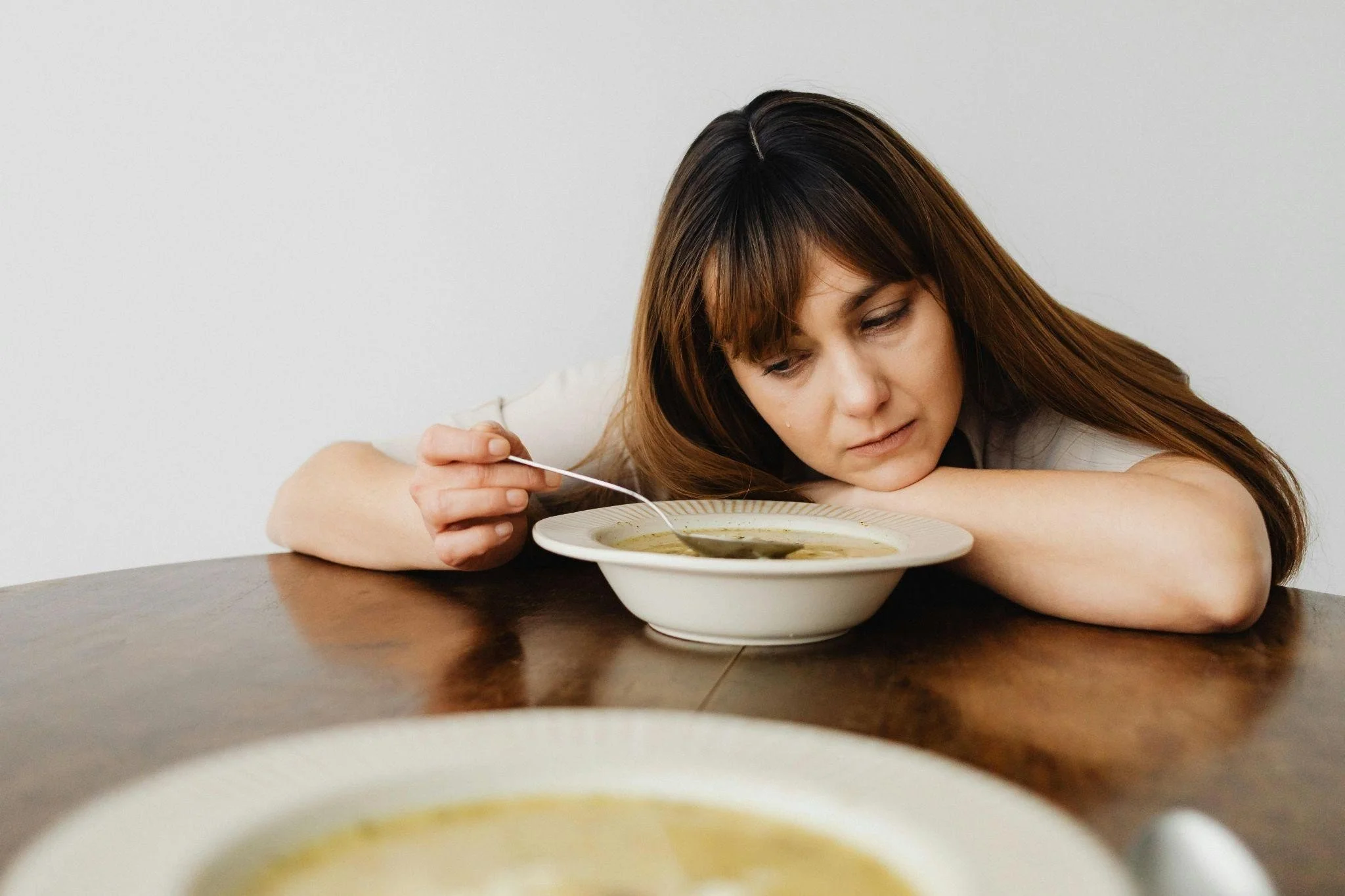
Photo by www.kaboompics.com | A woman leans on a table, looking at a bowl of soup while holding a spoon, reflecting on the question, ‘Why am I not hungry?’
Why am I not hungry?
It’s a strange question to ask after everything your body just did. You carried life for months, went through labor, and now you’re supposed to recover. Eat well. Feel strong. But instead, food doesn’t appeal, meals sit untouched, and hunger feels quite distant.
You expect exhaustion, sure. Maybe mood swings. But the appetite disappearing? That feels strange, almost like your body skipped a step in recovery. And yet, this experience is more common than people admit.
In fact, if you’ve caught yourself thinking, Why am I not hungry postpartum, you’re already paying attention in a way that matters. Appetite shifts can signal normal healing, but sometimes they point to something deeper. The key is knowing the difference—what’s expected and what deserves a closer look.
Let’s walk through it together.
Your Body Just Rewrote the Rules
Right after childbirth, your system goes through rapid hormonal appetite changes. Estrogen and progesterone drop sharply, while other hormones shift to support healing and, if applicable, breastfeeding.
That hormonal swing alone can affect hunger signals.
It’s not unlike jet lag. Your body clock gets thrown off, and cues like hunger, sleep, and energy don’t line up the way they used to. So when you ask yourself, Why am I not hungry, part of the answer is simple: your body is recalibrating.
Still, hormones are only one piece of a larger picture.
Sleep Deprivation Changes More Than Mood
Let’s be direct—newborn care disrupts sleep in a way that feels almost unreal. Broken sleep cycles can interfere with ghrelin and leptin, the hormones that regulate hunger and fullness.
When sleep is fragmented, hunger signals can dull. Food becomes less of a priority. Sometimes, you forget to eat. Other times, you just don’t feel like it.
So again, you might find yourself thinking, why am I not hungry, even when your body clearly needs fuel.
And there’s a subtle twist here. Lack of sleep doesn’t always reduce appetite. For some, it increases cravings. For others, especially postpartum, it suppresses them. Both responses are valid.
The Emotional Layer People Don’t Always Mention
This part matters.
Postpartum recovery isn’t only physical. Emotional shifts ranging from mild mood swings to more serious conditions like postpartum appetite loss linked to depression or anxiety can directly affect eating patterns.
If you’re feeling detached, overwhelmed, or persistently low, appetite often follows that emotional tone.
You might not feel hungry because nothing feels urgent. Or because eating feels like one more task in an already heavy day.
So when the thought returns—why am I not hungry—it may be less about food and more about how you’re feeling overall.
Pain, Healing, and Physical Discomfort
Let’s not overlook the obvious. Your body is healing.
Whether it’s perineal soreness, a cesarean incision, or general fatigue, discomfort can reduce the desire to eat. Pain competes for attention. It shifts focus away from basic needs like meals.
Digestive changes can also play a role. Constipation, bloating, or slowed digestion are common after birth. When your gut feels off, hunger often fades.
That’s another reason the question of why I'm not hungry keeps resurfacing—it’s tied to physical recovery, not just appetite.
Breastfeeding—Helpful, But Not Always Straightforward
Here’s where things get a bit contradictory.
Breastfeeding is often linked to increased hunger. Many mothers feel hungrier than usual. But not everyone. Some experience the opposite.
Hormonal responses vary. Stress levels, hydration, and fatigue all influence how your body responds. So if you’re breastfeeding and still asking, why am I not hungry, it doesn’t mean something is wrong, but it does mean you should pay attention.
When should you be concerned?
A temporary drop in appetite is common. But there are signs that suggest it needs closer attention.
Watch for patterns like:
● Ongoing lack of appetite beyond a few weeks
● Noticeable weight loss
● Persistent fatigue or dizziness
● Feelings of sadness or disconnection that don’t ease
● Difficulty keeping up with basic meals
If these show up together, the question why am I not hungry shifts from curiosity to something that needs support.
Rebuilding Appetite—small, realistic steps
Photo byAndrea Piacquadio | A woman holds a white bowl and spoon, rebuilding appetite.
You don’t need a perfect meal plan. You need something doable.
Start simple:
● Eat small portions more often instead of large meals
● Keep easy foods nearby—fruit, yogurt, nuts, soup
● Pair eating with routine moments (after feeding the baby, for example)
● Stay hydrated; thirst often masks hunger
● Accept that appetite may return gradually
Think of it like physical therapy, but for eating. You’re rebuilding a rhythm, not forcing it.
And yes, even if you still think, why am I not hungry, these small steps help retrain your body.
Nutrition Still Matters, Even When Hunger Doesn’t
This is where postpartum nutrition becomes essential.
Your body needs nutrients to heal, restore energy, and support hormonal balance. Even if appetite is low, nutrient-dense foods can bridge the gap.
Protein, iron, healthy fats, and fluids—these aren’t optional right now. They’re part of recovery.
If eating feels like an effort, focus on quality over quantity. A simple, balanced snack is better than skipping meals entirely.
A reliable place to learn more…
If you want medically reviewed guidance on postpartum recovery and nutrition, resources like the Mayo Clinic provide clear, evidence-based information. You can explore their postpartum care guide here:https://www.mayoclinic.org/healthy-lifestyle/labor-and-delivery/in-depth/postpartum-care/art-20047233.
It’s worth a look, especially if your appetite changes feel persistent.
You’re Not Alone in Asking This: Why Am I Not Hungry?
Let’s pause on the question one more time: why am I not hungry?
This reflects physical recovery, emotional shifts, and the quiet adjustments happening beneath the surface.
And here’s the honest part: sometimes, there isn’t one single answer. It’s a mix, or a layered response from a body and mind that just went through something major.
A story that might stay with you…
If this season feels heavier than expected, it helps to hear from someone who has lived through it.
The Birds Still Singby Grace Tallman offers a raw, personal account of navigating postpartum depression and finding meaning again. It shows the struggle, the setbacks, and the slow return to strength.
If you’ve been asking yourself, why am I not hungry, and sensing that the answer goes deeper than food, this book may resonate with you. It speaks to that quiet space where healing begins—not all at once, but step by step.
You might find pieces of your own experience in its pages. And sometimes, that recognition is exactly what helps you move forward. Grab your copy now. You can also check out Grace Tallman’s other insightful book,Stronger: Stories of Grief and Resilience.
