
How to Balance Hormones Postpartum Naturally and Safely
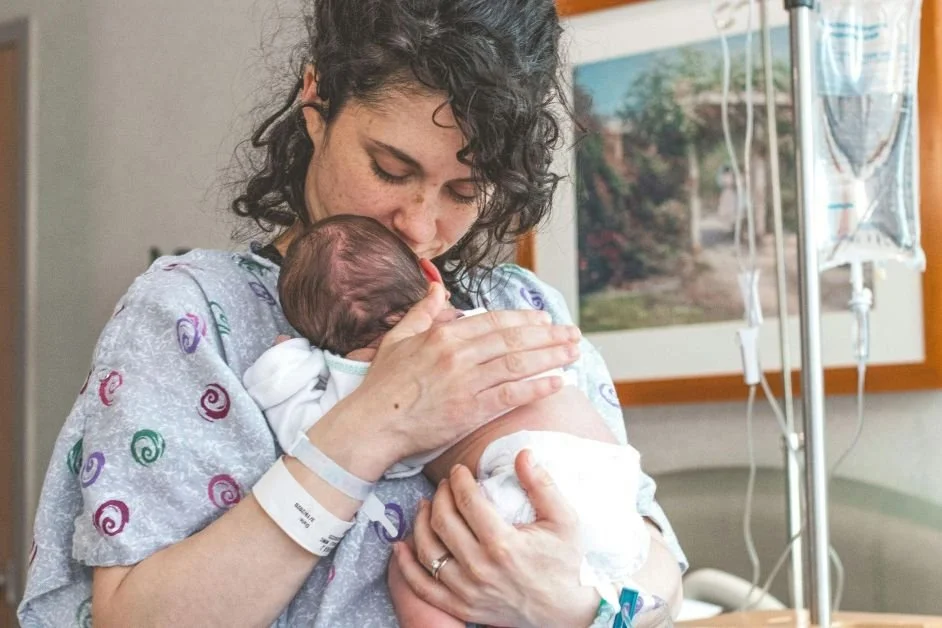
Photo by Craig Adderley | A mother tenderly cradles and kisses her newborn baby, conveying how to balance hormones postpartum.
Your body just went through huge changes, and figuring out how to balance hormones postpartum matters for your recovery. After you have a baby, your hormones need real support to settle. The good news is you don't need medications to make this work.
The weeks and months after birth bring big hormone shifts that mess with your mood, energy, and how you feel. Learning how to balance hormones postpartum helps you feel more like yourself again. Whether you're dealing with mood swings, fatigue, or anxiety, these feelings are normal and manageable.
Why Hormones Shift After Birth
Postpartum hormone imbalance happens because your estrogen and progesterone levels drop hard after you deliver your baby. These hormones were pumped up during pregnancy, and the sudden drop hits you both physically and mentally. Your thyroid can shift, too. That's why so many new moms notice mood changes and weird physical stuff in the first few weeks.
How to Balance Hormones Postpartum: The Keys to Hormone Recovery
Prioritize Quality Sleep
Sleep is your top priority, even though sleeping with a newborn feels impossible. Your body rebuilds hormones when you sleep. When you skip sleep, your cortisol stays high, and that blocks other hormones from balancing. If you want to learn how to balance hormones postpartum, sleep is where you start. Ask your partner, family, or friends to take the baby one night a week so you can sleep for six straight hours. This one thing changes everything.
Fuel Your Body With Nutrition
Eating well matters a lot when you're trying to figure out how to balance hormones postpartum. Here's what to focus on:
Eat protein at every meal because your body uses amino acids to make hormones.
Add healthy fats like avocados, nuts, and olive oil to support how to balance hormones postpartum naturally. These fats help hormone production.
Stick to whole foods and skip processed stuff that spikes your blood sugar.
Iron and B Vitamins Matter
Eat foods with lots of iron and B vitamins. You lost blood when you gave birth, and you need to get those nutrients back in. Leafy greens, grass-fed beef, eggs, and beans all work.
Get vitamin D every day. Vitamin D is huge for balancing hormones. Get sun on your skin for at least 15 minutes every day, or take a supplement if you live somewhere dark.
Stay Hydrated Throughout Your Day
Water matters more for balancing how to balance hormones postpartum than most people realize. Here's what to do:
Drink half your body weight in ounces of water daily.
Your body needs water to make hormones and flush out excess estrogen.
When dehydrated, your body works harder, and healing takes longer.
Keep water with you and sip throughout the day.
Move Your Body Gently
Movement helps, but don't do hard exercise. Here's how to approach it:
Walking is perfect for right now.
Go for a gentle 20 to 30-minute walk most days to get blood flowing and manage stress better.
Walk outside when you can because it brings cortisol down naturally.
Wait for your doctor to clear you before doing intense workouts, usually six to eight weeks after birth.
Know that pushing too hard stresses your hormones more.
Manage Stress to Support Recovery
How you handle stress matters for hormone balance. High cortisol blocks progesterone and wears you out. Here's what to do:
Build a realistic daily schedule with rest built in.
Say no to things that don't matter.
Ask for help without guilt.
Forget tasks you don't need to do.
Your only job is getting better and spending time with your baby.
Find Calm in Simple Practices
Try meditation, breathing exercises, or quiet time daily.
Close your eyes. Breathe slowly. Let your system relax. This lowers cortisol and helps healing.
Watch Your Mental Health Closely
Postpartum wellness means paying attention to your mental health. Mood problems are not your fault. They're your body reacting to hormone changes. If you feel sad, anxious, or disconnected from your baby for more than two weeks, talk to your doctor. Postpartum depression and anxiety are real medical conditions, not weakness. Help works.
Use Morning Sunlight for Hormone Balance
Light in the morning helps balance hormones postpartum in several ways. Morning light tells your brain to set your sleep rhythm. This rhythm controls when you make hormones all day. Get outside within the first hour after waking.
Consider Supplements Carefully
Think about these key supplements:
Omega-3 fatty acids support brain health and hormone production.
Magnesium helps your nerves relax and improves sleep.
B vitamins replenish what you used during pregnancy.
Talk to your doctor before starting anything new.
Avoid Substances That Disrupt Balance
Cut back on alcohol and caffeine for the first several months after birth. Both stress your system and mess with hormones. Here's what to do:
Skip processed foods that spike blood sugar.
Limit caffeine to one cup of tea per day.
Avoid alcohol until your hormones settle.
If you're nursing, remember that alcohol and caffeine pass into your milk.
Build Community for Emotional Support
Community matters. Talk to moms going through the same hormone stuff. Just knowing you're not alone reduces stress. Find a postpartum group or online community. Share what you're going through without judgment.
Your Recovery Journey Continues

Photo by Eric Moura | A woman cradles her sleeping baby wrapped in a white blanket, with a soft smile.
Learning how to balance hormones postpartum gives you a map back to normal. Healing isn't fast. That's okay. Some days feel good. Other days are rough. This is your body finding its new balance. Progress is happening even when you don't see it.
Resources to Support Your Wellness
For help understanding the emotional side of postpartum, Mayo Clinic has good info on postpartum health at https://www.mayoclinic.org/healthy-lifestyle/infant-and-toddler-health/in-depth/postpartum-care/art-20047233.
The American College of Obstetricians and Gynecologists also has useful postpartum wellness information.
Find Strength in Your Story
If postpartum is weighing on you emotionally, you need more than just hormone tips. You need to get real about what you're going through.
Grace Tallman's "The Birds Still Sing: My Journey of Resilience Through Postpartum Depression" is a real story about how she went through postpartum depression and came out stronger. This book is about finding yourself again after something hard happens. If you've dealt with postpartum depression, a big loss, a broken relationship, or any health crisis, this book will get to you. Tallman's honest voice reminds you that you're not broken. You're figuring things out. Get a copy and see how strength shows up in tough times.
